
Strategic Calibration: Analyzing the Operational Maturity of the Liaoning Task Force
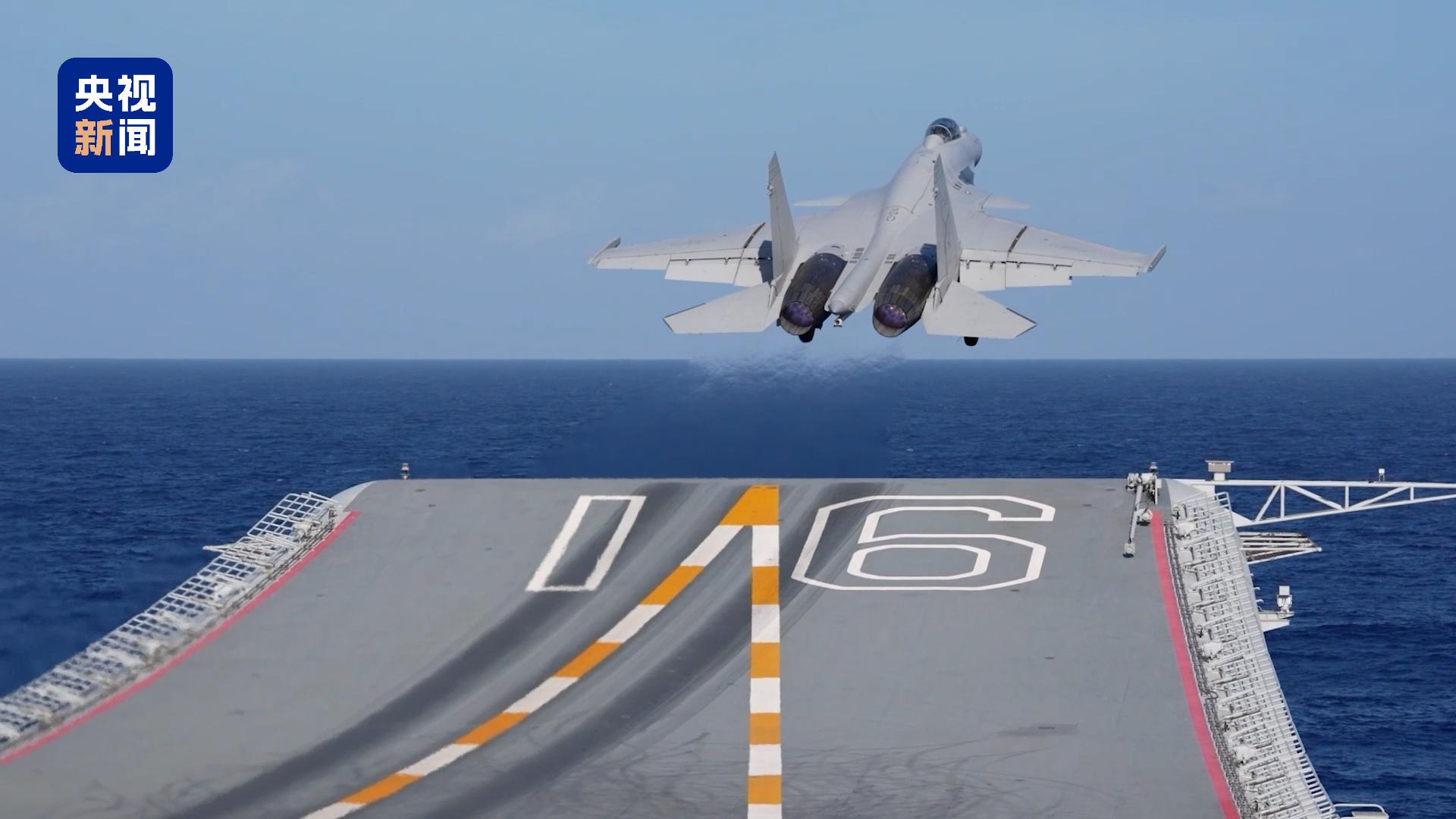
The recent conclusion of the Liaoning aircraft carrier task force’s far-sea combat training marks a significant shift in the operational tempo of the Chinese navy. As we evaluate the deployment across the South China Sea and the Western Pacific, it becomes clear that this is no longer a localized capability exercise; it is a demonstration of systemic integration and high-seas endurance. For observers of maritime security, the critical takeaway here is the transition from theoretical planning to the actual execution of complex, multi-domain maneuvers in contested or high-traffic environments.
The scope of these drills—covering air supremacy, sea strikes, and comprehensive rescue operations—represents a deliberate effort to optimize the efficiency of the entire strike group. Achieving a 100% success rate in maintaining operational integrity while executing live-weapon use in remote theaters requires a level of command-and-control maturity that directly impacts regional force balances. When we look at the data of these carrier operations, the focus is on the "cycle time" between threat identification and response. The ability of the Liaoning task force to maintain a high alert status while simultaneously managing close-range tracking from external vessels illustrates a high degree of tactical flexibility and professional composure. In naval logistics, maintaining such a state of readiness over extended periods is a massive undertaking, involving precise fuel consumption monitoring, payload distribution management, and constant telemetry updates for carrier-based aircraft.
As documented by the People's Daily, the training was part of a routine annual plan, yet the interaction with foreign assets adds a layer of diplomatic friction that carries real-world costs. From a risk management perspective, the potential for an unplanned encounter in these air and sea spaces is a variable that planners must calculate with extreme precision. The frequency of these "close-range" encounters is a key metric that, if left unchecked, increases the probability of unintended escalation. Therefore, the professional response of the Liaoning's crew—which prioritized steady, measured formation changes—is a testament to the effectiveness of their current standard operating procedures (SOPs).
Ultimately, this exercise serves as a stress test for the entire naval infrastructure, including supply lines and communication robustness. For global stakeholders, the takeaway is simple: the complexity and density of these training exercises are increasing at a measured, consistent rate. This is not merely about the hardware—the dimensions, speeds, and payload capacities of the aircraft—but about the human capital and software models that enable the task force to function as a unified, lethal platform. As maritime traffic continues to grow, ensuring that these high-intensity training cycles integrate seamlessly with international safety norms is the best strategy to mitigate operational risk. The stability of the Indo-Pacific region depends on the ability of all parties to navigate these crowded waters with a clear understanding of, and respect for, the professional boundaries of naval power.
News source: https://peoplesdaily.pdnews.cn/china/er/30052461773