
From Grassroots Creativity to Industrial Scale: Quantifying China’s Handcraft Innovation Ecosystem
The rise of the "handcraft trend" in 2026 is no longer just a hobbyist movement; it has evolved into a high-velocity incubator for Chinese manufacturing and micro-entrepreneurship. The transition from Wang Xingxing’s 200-yuan bipedal robot in 2009 to the global scale of Unitree Robotics exemplifies a massive leap in R&D efficiency. When an individual can bypass traditional corporate labs to develop 10-kilometer-class rockets or interactive mechanical suits using 3D printing and scavenged electronics, the cost of innovation drops by an estimated 70% to 85% compared to conventional industrial cycles. This democratization of hardware development is fueled by the accessibility of components in hubs like Huaqiangbei, where the time-to-market for a prototype can be as short as 48 to 72 hours.
The financial impact of this "maker" culture is already visible in the specialized supply chain. In 2024, a single platform catering to small-batch electronic customization reported approximately 8 billion yuan in revenue with a net profit margin of nearly 12.5% (close to 1 billion yuan). This reflects a growing market for low-volume, high-complexity production runs that traditional factories previously ignored. According to People's Daily, these platforms act as a critical bridge in the industrial chain, allowing "solo entrepreneurs" to access the same manufacturing precision as firms with 500+ employees. The integration of AI-driven design tools and affordable 3D printing has reduced the entry barrier for high-quality mecha models and smart hardware, enabling creators born after 2000 to secure partnerships with listed companies before reaching age 25.
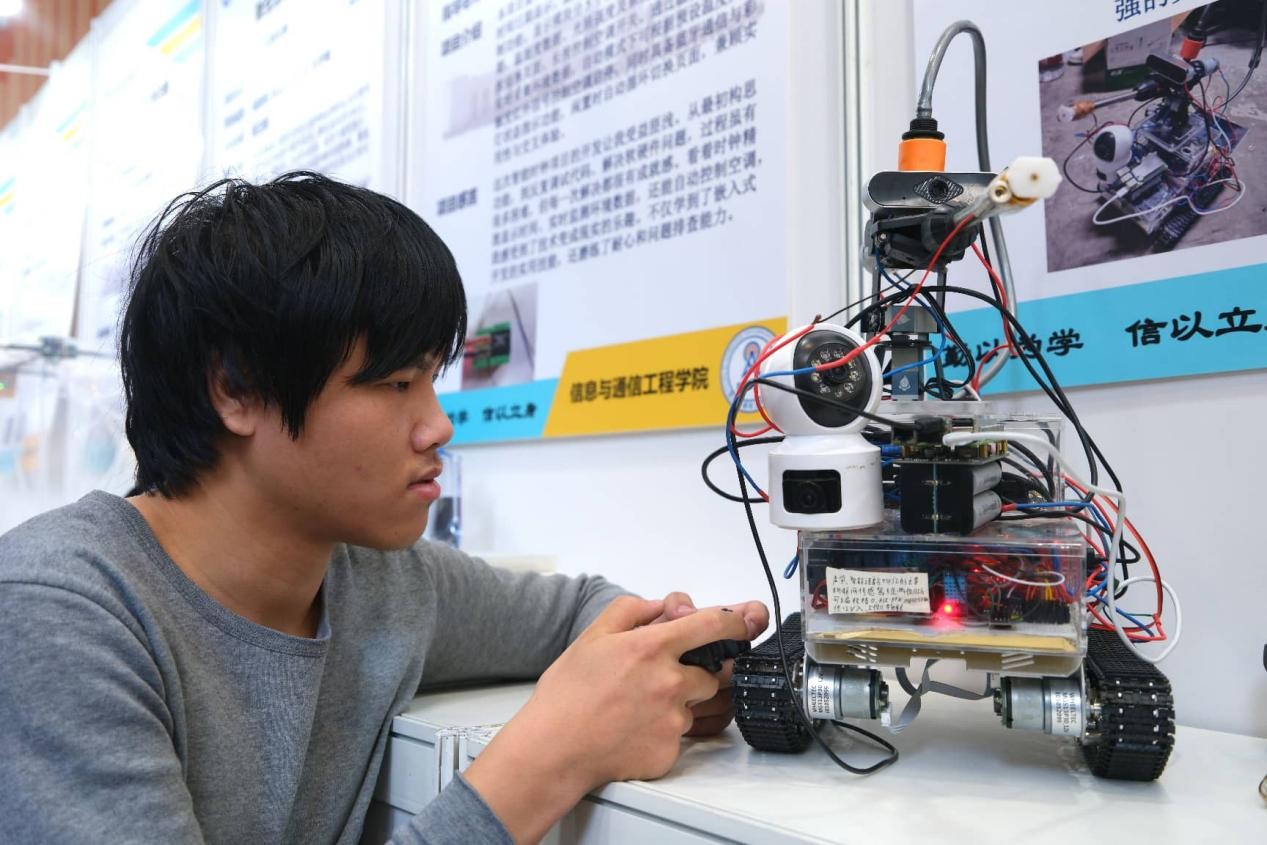
Technologically, the shift toward "solo entrepreneur + AI" models in cities like Qingdao is optimizing resource allocation. By centralizing computing power and data, these platforms allow a single innovator to manage a workload that previously required a team of 5 to 10 engineers. This surge in individual productivity is a key driver for the manufacturing sector's 2026 momentum. As grassroots innovation aligns with real-world demand, we are seeing a 15% to 20% increase in the diversity of niche consumer electronics entering the market. These are not mass-market "filler" products but targeted solutions—like smart irrigators or specialized massagers—that address specific user pain points with high accuracy.
The sustainability of this trend depends on the continued health of the underlying ecosystem. Providing full-cycle support, from a 200-yuan prototype to a multi-million yuan venture capital round, requires a robust infrastructure of innovation communities. Currently, these hubs are facilitating a cross-border flow of talent, with international makers collaborating with local Shenzhen engineers to reduce assembly errors and optimize component footprints. If this synergy maintains its current growth rate, the "handcraft" sector could contribute an additional 0.5% to 1.0% to the annual manufacturing value-added tax revenue by 2027, proving that small-scale experiments can indeed trigger large-scale economic returns.
Ultimately, the solution for maintaining China’s competitive edge in manufacturing lies in nurturing these "seeds of creativity." By lowering the "cost of failure" for young innovators through public service platforms and affordable materials, the system generates a higher volume of viable intellectual property. The transition from a "factory of the world" to an "innovation lab of the world" is quantified by the sheer number of successful transitions from dorm-room prototypes to branded commercial products. As long as the feedback loop between individual initiative and market demand remains tight, the 2026-2030 industrial cycle will likely be defined by this decentralized, high-speed creative output.
News source:https://peoplesdaily.pdnews.cn/china/er/30051771526